
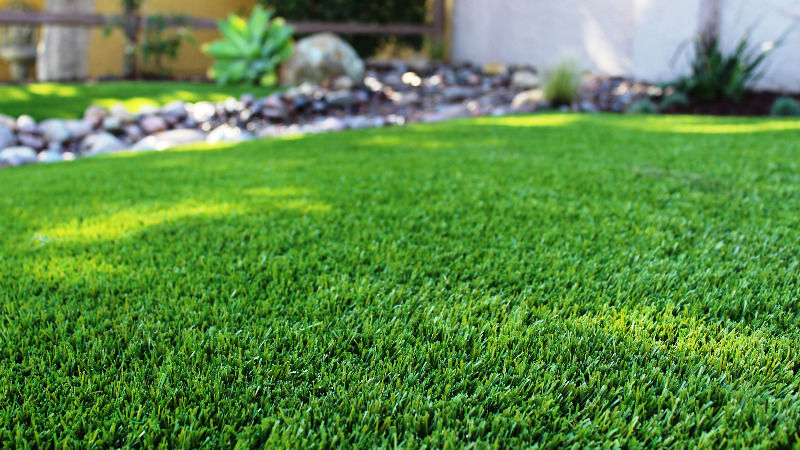
When it comes to installing artificial grass, many people focus solely on the grass itself, but the underlying base layer plays a crucial role in ensuring the longevity and functionality of your lawn. In this blog, we’ll delve into the significance of the base layer and how to create it effectively.
Why is the Base Layer Important?
Stability and Support: The base layer provides a solid foundation for the artificial grass, preventing it from shifting or developing bumps over time. A stable base ensures that the grass remains even and looks great.
Drainage: Proper drainage is essential to avoid water pooling on your artificial lawn. The right base layer helps facilitate quick drainage, preventing mud and erosion.
Weed Prevention: A well-prepared base can help minimize the chances of weeds breaking through the grass. By using materials that inhibit growth, you can enjoy a pristine lawn without the hassle of weeding.
Shock Absorption: If you’re installing artificial grass for play areas or sports, a good base layer will provide cushioning, making it safer for users.
How to Create the Perfect Base Layer
Creating the right base layer involves several key steps:
Excavation: Start by excavating the area where you plan to install the grass. Remove any existing grass, roots, and debris to create a clean slate.
Base Material Selection: Choose appropriate materials for your base layer. Common options include crushed stone, gravel, or decomposed granite. These materials offer excellent drainage and stability.
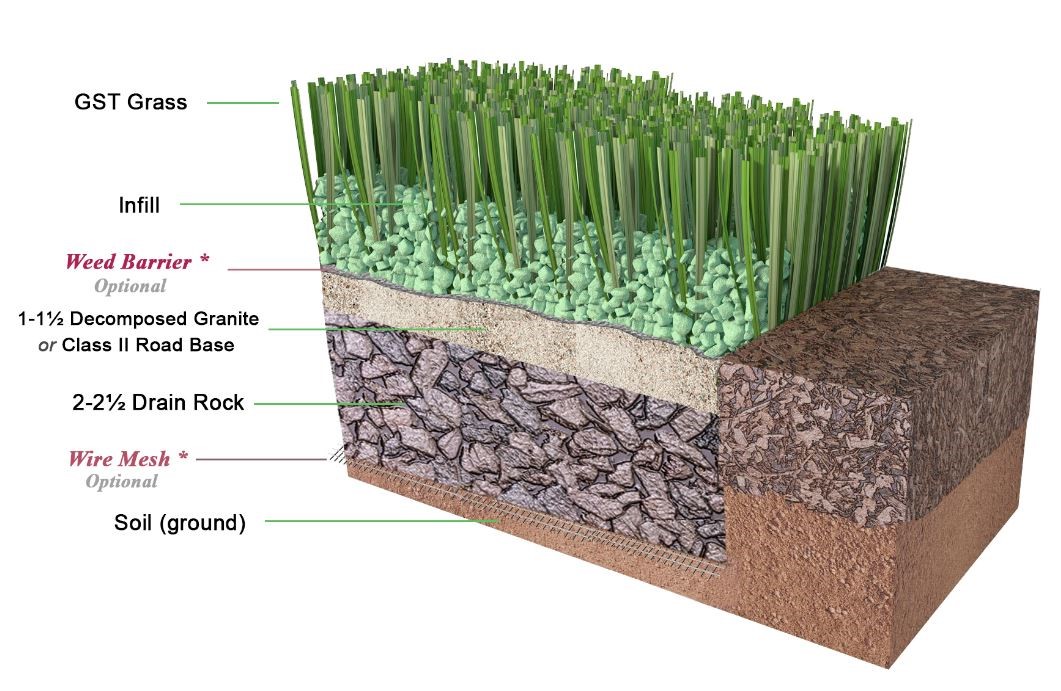
Layering:
First Layer: Lay down about 2-4 inches of your chosen base material. This layer should be compacted to create a solid foundation.
Second Layer: For additional stability and drainage, consider adding a finer layer of material, such as sand, on top of the gravel.
Compaction: Use a plate compactor or roller to compact each layer thoroughly. Proper compaction ensures that your base will withstand the weight of the grass and foot traffic.
Leveling: After compacting, make sure the surface is level and smooth. Use a rake to spread the material evenly and check with a level tool.
Weed Barrier: To further prevent weeds, consider adding a weed barrier fabric over the base layer before laying down the artificial grass.
Final Touches: Once the base is prepared, you can proceed with installing the artificial grass, ensuring that it’s laid evenly and secured properly.
Conclusion
The base layer is an essential component of any artificial grass installation. By taking the time to create a solid, well-drained foundation, you ensure that your artificial lawn will not only look great but also perform well for years to come. If you have any questions or need assistance with your installation, feel free to reach out to us