
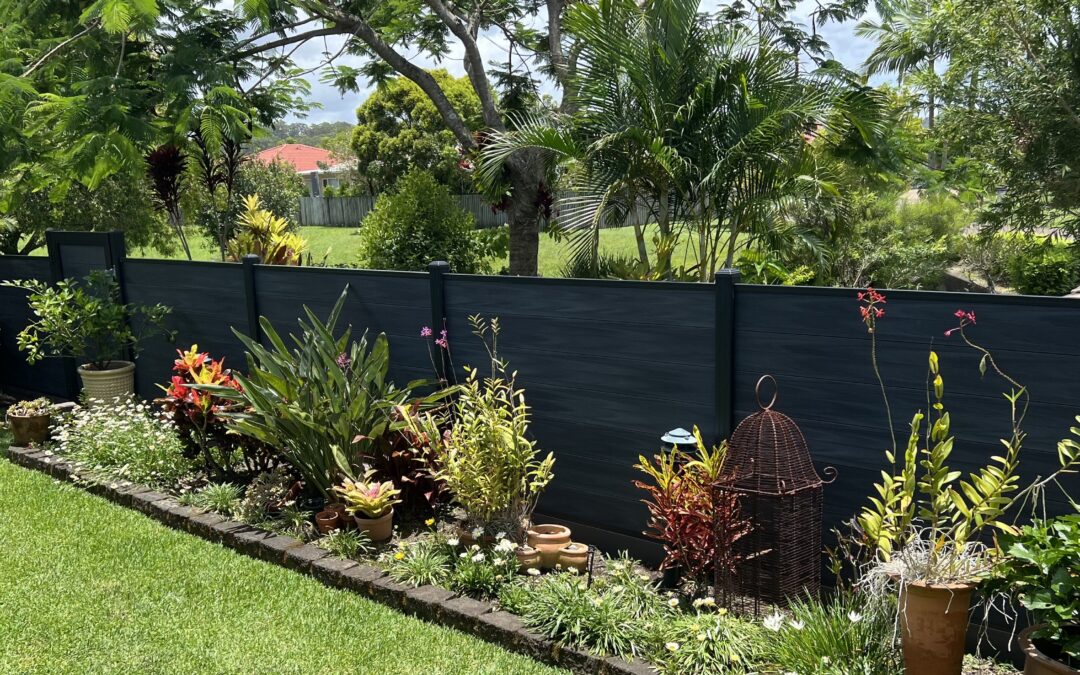
WPC (Wood Plastic Composite) fencing is becoming an increasingly popular choice for Australian homeowners looking for a modern, stylish and low-maintenance fencing solution. Combining the natural appearance of timber with the durability of composite materials, WPC fence boards are ideal for gardens, backyards, outdoor entertaining areas and residential boundaries.
If you are planning to upgrade your outdoor space, this guide explains how to install WPC fence boards, what tools you may need, and how to achieve a neat and professional finish.
What Are WPC Fence Boards?
WPC fence boards are made from a combination of wood fibres and plastic materials. They are designed to provide a timber-inspired appearance while reducing many of the maintenance requirements associated with traditional timber fencing.
Some key benefits of WPC fencing include:
Low maintenance: No regular painting or staining is typically required.
Modern appearance: Available in contemporary styles to complement different outdoor designs.
Weather resistance: Designed for outdoor use, although performance depends on the product specification and installation.
Versatile applications: Suitable for garden screening, backyard fencing and outdoor privacy areas.
Before purchasing, check the product specifications to confirm the recommended installation method and suitability for your intended application.
Tools and Materials Required
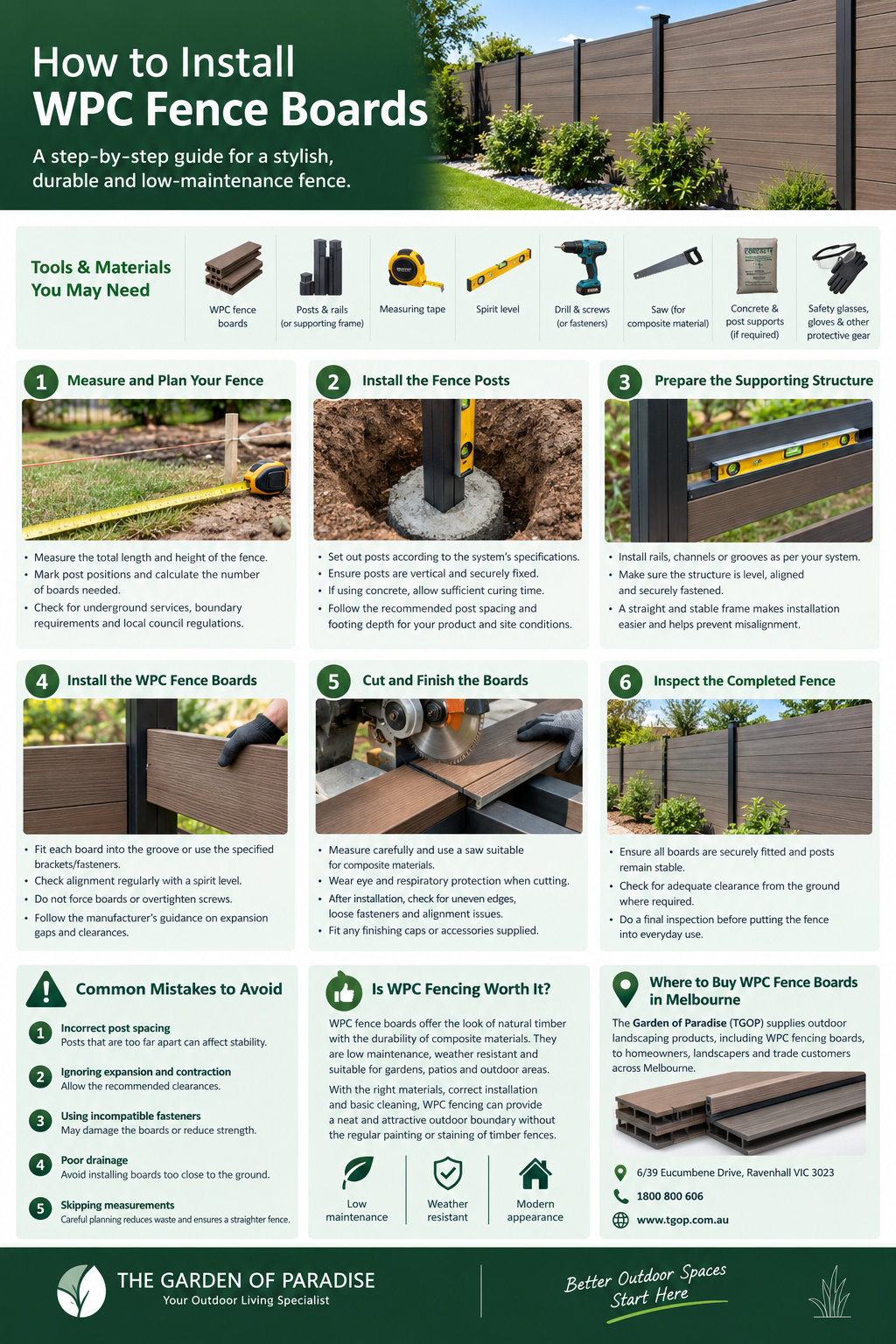
Before starting your WPC fence installation, prepare the necessary tools and materials. Depending on your fencing system, you may need:
WPC fence boards
Compatible posts and rails or a suitable supporting frame
Measuring tape and spirit level
Drill and appropriate screws or fasteners
Saw suitable for cutting composite materials
Concrete and post supports, where required
Safety glasses, gloves and other appropriate protective equipment
Always follow the manufacturer’s installation instructions and use compatible components to ensure the fence is properly supported.
Step 1: Measure and Plan Your Fence
Start by measuring the total length and height of the fence you want to install. Mark the position of each post and calculate the number of fence boards required.
Accurate measurements help minimise material waste and ensure the finished fence looks consistent.
Before digging or installing posts, check for underground services, boundary requirements and any applicable local council or building regulations.
Step 2: Install the Fence Posts
Fence posts provide the structural support for your WPC fence boards, so correct positioning is essential.
Set out the posts according to the specifications of your fencing system. Ensure they are vertically aligned and securely fixed using an appropriate support method.
If concrete footings are required, allow sufficient curing time before installing the fence boards. Post spacing, footing depth and fixing methods should be determined by the product requirements and site conditions.
Step 3: Prepare the Supporting Structure
Depending on the design, your WPC fencing system may use rails, channels or grooves in the posts to hold the boards in position.
Check that the supporting structure is level, properly aligned and securely fastened before proceeding.
A straight and stable frame makes installation easier and helps prevent uneven gaps or misaligned boards.
Step 4: Install the WPC Fence Boards
Once the supporting structure is ready, begin installing the WPC fence boards according to the system’s design.
For an interlocking system, slide or fit each board into the designated groove and continue with the next board. For other systems, use the specified brackets or fasteners.
As you work, check the alignment regularly with a spirit level. Avoid forcing boards into position or overtightening fasteners, as this may damage the material.
Follow the manufacturer’s guidance on expansion gaps and clearances, as composite materials can expand and contract with temperature changes.
Step 5: Cut and Finish the Boards
If the boards need to be shortened, measure carefully and use a saw suitable for the material.
Wear appropriate eye and respiratory protection when cutting composite boards, and follow the manufacturer’s recommendations for cutting and handling.
After installation, inspect the fence for uneven edges, loose fasteners and alignment issues. Fit any finishing caps or accessories supplied with the fencing system.
Step 6: Inspect the Completed Fence
Once installation is complete, check that all boards are securely fitted and the posts remain stable.
Make sure the fence has adequate clearance from the ground where required, particularly in areas exposed to standing water or poor drainage.
A final inspection helps identify small issues before the fencing is put into everyday use.
Common Mistakes to Avoid
To achieve a better installation result, avoid these common mistakes:
1. Incorrect post spacing
Posts that are too far apart may affect the stability of the fence. Always follow the specified spacing for your particular system.
2. Ignoring expansion and contraction
WPC materials can respond to temperature changes. Allow the recommended clearances instead of fitting boards too tightly.
3. Using incompatible fasteners
Incorrect screws or fixing accessories may damage the boards or reduce the strength of the installation.
4. Poor drainage
Installing boards too close to the ground without considering drainage can contribute to moisture-related problems and reduce the service life of the overall fence structure.
5. Skipping measurements
Careful planning before installation helps create a straighter fence and reduces unnecessary cutting and material waste.
Is WPC Fencing Worth It?
For homeowners seeking a contemporary alternative to traditional timber fencing, WPC fence boards offer an attractive combination of appearance and convenience.
They can complement modern homes, landscaped gardens, patios and outdoor entertaining spaces. With suitable materials, correct installation and basic cleaning, WPC fencing can help create a neat and appealing outdoor boundary without the regular painting or staining associated with many timber fences.
The overall result depends on choosing the right fencing system for your property and installing it according to the manufacturer’s specifications.
Where to Buy WPC Fence Boards in Melbourne
Looking for WPC fence boards for your next outdoor project?
The Garden of Paradise (TGOP) supplies outdoor landscaping products, including WPC fencing boards, to homeowners, landscapers and trade customers across Melbourne.
Visit our Ravenhall warehouse to explore our range of outdoor products and discuss your project requirements.