
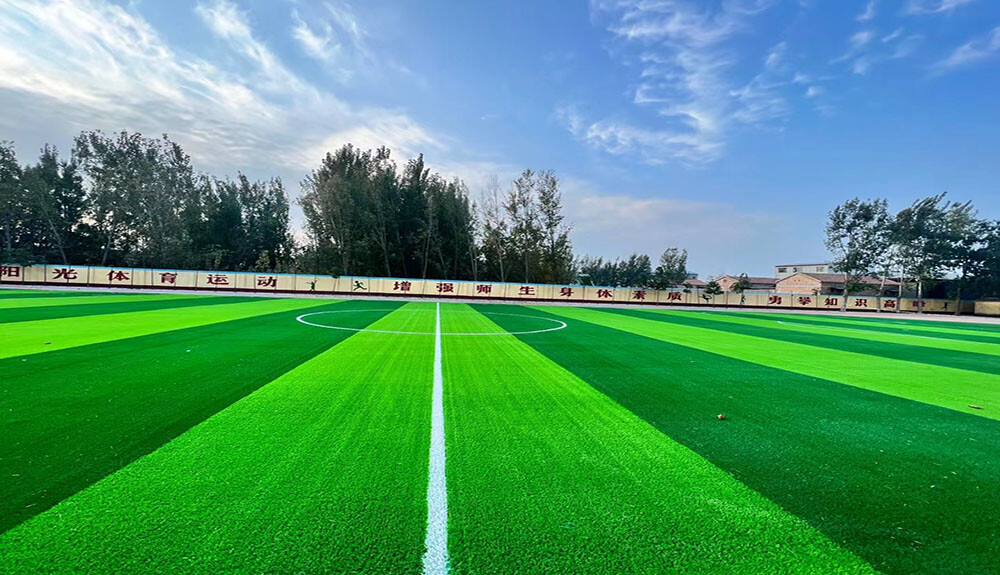
As the summer sun shines brightly, many homeowners and business owners enjoy the beauty and functionality of artificial grass. However, one common concern that arises during the hot months is the heat retention of artificial turf. In this blog, we’ll explore why artificial grass can become hot in summer and offer some practical solutions to keep it cool.
Why Does Artificial Grass Get Hot?
Artificial grass is made from synthetic materials, primarily polyethylene or polypropylene, which can absorb heat from the sun. Here are some reasons why it tends to get hotter than natural grass:
Material Properties: The materials used in artificial grass are excellent at absorbing and retaining heat. Unlike natural grass, which has moisture content that helps keep it cool, synthetic turf can reach high temperatures under direct sunlight.
Lack of Shade: Areas with limited shade, such as open backyards or sports fields, can see a significant rise in temperature on their artificial grass surfaces.
Color: Darker shades of turf can absorb more heat compared to lighter colors, exacerbating the heat issue.
Tips for Keeping Your Artificial Grass Cool
While artificial grass can get hot, there are several ways to manage the temperature and ensure a comfortable experience for you and your family:
Choose Light-Colored Turf: If you’re in the process of selecting artificial grass, consider opting for lighter colors. They tend to reflect sunlight better and can stay cooler than darker shades.
Use Water: Spraying the turf with water can help cool it down significantly. A light mist can reduce surface temperatures, making it more pleasant for barefoot walking.
Install Shade Structures: Adding pergolas, umbrellas, or shade sails can create shaded areas over your artificial grass, preventing it from heating up too much during the peak sun hours.
Ventilation and Airflow: Allowing for proper airflow around the artificial grass can help reduce heat buildup. If possible, position your turf in a way that encourages air movement.
Regular Maintenance: Keep your artificial grass clean and well-maintained. Debris and dirt can trap heat, so regular brushing and cleaning can help maintain a cooler surface.
Timing of Use: If you plan to use your artificial grass for activities, try to schedule them during the cooler parts of the day, such as early morning or late afternoon.
Consider Infill Options: Some infill materials can help reduce heat retention. Products like cooling infills are designed specifically to reflect sunlight and keep the surface cooler.
Conclusion
While it’s true that artificial grass can heat up in the summer, understanding the reasons behind this and implementing some simple strategies can help mitigate the problem. Enjoy your artificial lawn all summer long by taking these proactive steps. If you have any questions or need assistance selecting the right product for your needs, don’t hesitate to reach out to us!