
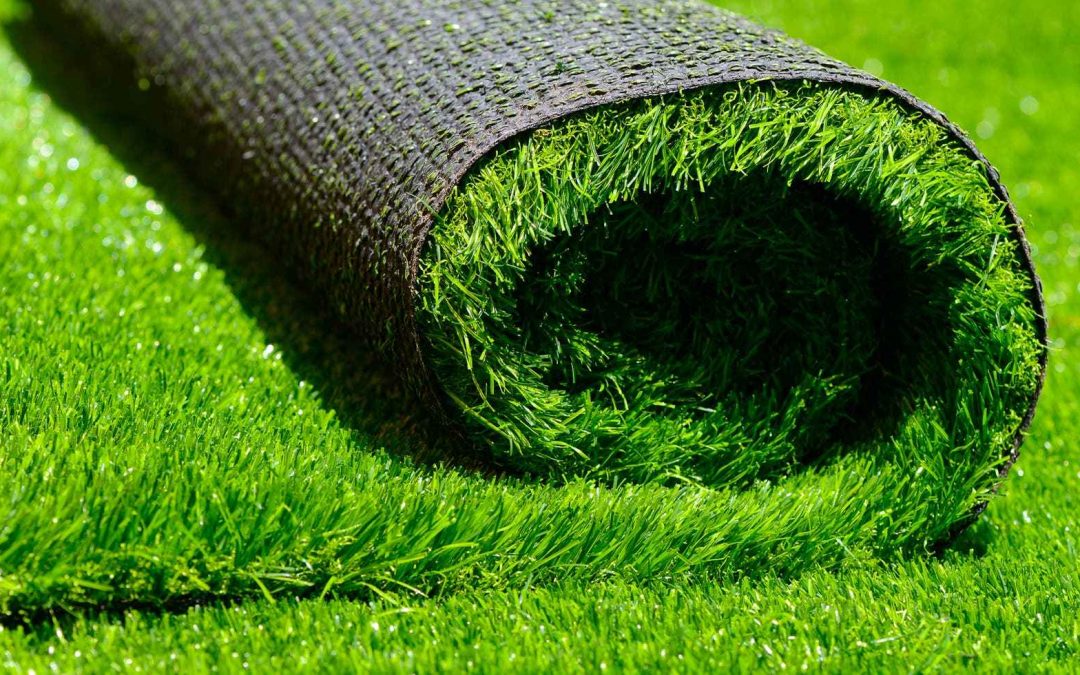
Artificial grass is celebrated for its durability and aesthetic appeal, but the success of its installation hinges on the quality of the seams. Proper seam installation ensures a seamless, natural-looking surface that enhances both the beauty and longevity of the turf. Here’s a detailed guide on achieving perfect joints in artificial grass.
1. Selecting the Right Seaming Materials
Choosing the appropriate seaming materials is crucial for a successful installation. Common seaming materials include adhesive tape, glue, and turf staples. Here’s how to choose and use them effectively:
- Glue: This is the most widely used seaming material. When selecting an adhesive, ensure it has strong bonding capabilities, durability, and waterproof properties. The glue should be suitable for outdoor use and compatible with the artificial grass fibers.
- Seaming Tape: Seaming tape is another option, which works well in conjunction with glue. It should be applied to ensure a strong bond between the seams. Ensure the tape is designed specifically for artificial grass to avoid any damage to the turf.
- Turf Staples: These are used to secure the edges of the seams and provide additional stability. Staples are especially useful in high-traffic areas to prevent shifting and maintain the integrity of the seams.
2. Accurate Measurement and Cutting
Before starting the seaming process, precise measurement and cutting are essential:
- Measurement: Use professional measuring tools to ensure the dimensions of the artificial grass are accurate. This precision helps in achieving a perfect fit and minimizes gaps or overlaps.
- Cutting: Use sharp tools like a utility knife or carpet cutter to make clean, straight cuts. Ensure the cutting edges are smooth and aligned. Leave a slight overlap to facilitate a seamless connection during the seaming process.
3. The Seaming Process
Follow these steps to achieve a flawless seam:
- Clean the Seaming Area: Ensure the area where the grass will be joined is clean and free of debris. A clean surface ensures that the adhesive or tape adheres properly and that there are no gaps between the pieces.
- Align the Edges: Carefully align the edges of the artificial grass pieces. Ensure they fit together snugly and that the fibers are directed in the same direction for a uniform appearance.
- Apply Seaming Materials: Apply the seaming tape or glue according to the manufacturer’s instructions. If using glue, apply it evenly along the seam area to ensure a strong bond. For tape, press it firmly to ensure it sticks well.
- Secure the Seams: Use turf staples to secure the edges of the seams, especially in areas prone to movement or heavy use. Place the staples about 6-8 inches apart along the seam for optimal stability.
- Press and Set: Press the joined sections down firmly to ensure a tight bond. You can use a roller or simply walk over the seam to ensure the adhesive or tape adheres properly.
Conclusion
The success of artificial grass installation largely depends on the attention given to the seaming details. By selecting the right materials, measuring and cutting accurately, and carefully executing the seaming process, you can achieve a flawless, seamless installation that enhances the overall look and durability of your artificial grass. Paying attention to these details will result in a beautiful, long-lasting turf that provides a comfortable and aesthetically pleasing environment.
If you have any questions or need assistance with your artificial grass installation, feel free to reach out to our team. We’re here to help you achieve the perfect result for your project.