
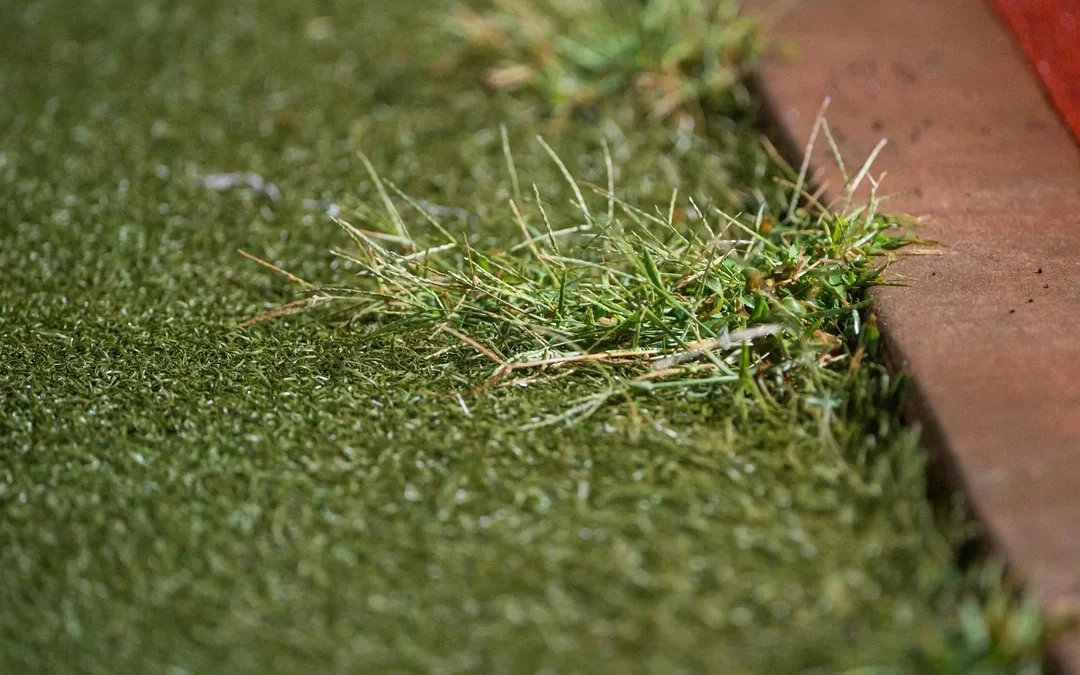
Artificial turf is popular for its durability, low maintenance, and year-round green appearance. However, despite its lifelike look, artificial turf can still encounter weed problems. In this blog post, we’ll explore why weeds can appear on artificial turf and offer effective methods for removing them.
Why Does Artificial Turf Get Weeds?
- Substrate and Gaps: Artificial turf is typically installed over a substrate like gravel or soil, which might contain weed seeds. While the turf itself doesn’t support weed growth easily, seeds can find their way into the substrate or gaps between the turf and substrate and have a chance to sprout.
- Seams and Edges: If there are gaps or poorly finished seams at the edges of the artificial turf, these can become ideal spots for weeds to grow. Small weed seeds can take root in these areas, particularly if the seams aren’t tightly secured.
- Surrounding Environment: The environment around the artificial turf also affects weed growth. If the turf is near soil or other natural vegetation, weed seeds may be carried onto the turf by wind, rain, or wildlife.
- Improper Maintenance: Artificial turf that hasn’t been properly maintained for a long time is more likely to develop weed issues. Accumulated debris and dirt can provide a breeding ground for weeds, especially when it settles in the gaps of the turf.
How to Clean Weeds from Artificial Turf
- Manual Removal: For small amounts of weeds, manual removal is a straightforward method. Gently pull out the weeds by hand or use small tools, ensuring that the roots are fully removed to prevent regrowth. Be careful not to damage the turf while removing weeds.
- Using Herbicides: For more severe weed problems, consider using herbicides specifically designed for artificial turf. Choose products that do not contain herbicidal compounds harmful to synthetic grass. Follow the instructions carefully and use the herbicide in a safe manner.
- Sweeping and Rinsing: Regularly sweeping or vacuuming the artificial turf to remove debris and fallen leaves can help maintain its appearance and reduce weed growth. For stubborn weed roots, you can use water to rinse or gently scrape them away.
- Maintaining the Substrate: Ensure that the substrate beneath the artificial turf is free from excess water or mud, as these conditions can promote weed growth. Regularly check and maintain the substrate to ensure the turf is in optimal condition.
- Using Weed Barrier Fabric: During the installation of artificial turf, laying down weed barrier fabric can effectively prevent weed growth. This fabric blocks weed seeds from penetrating the turf and taking root in the soil.
- Regular Maintenance: Regularly inspecting and cleaning the artificial turf, including timely weed removal, is crucial for keeping the turf looking good and functioning well. Establish a maintenance routine that includes weed removal, debris cleaning, and turf condition checks.
Conclusion
Although artificial turf offers many benefits, it’s not entirely immune to weed issues. Understanding why weeds can appear on artificial turf and taking appropriate cleaning measures can help keep your turf looking pristine and functional. Through regular maintenance and proper care, you can ensure that your artificial turf remains in top condition.
We hope these tips help you manage your artificial turf effectively. If you have any further questions or need additional advice, feel free to leave a comment—we’re here to help!